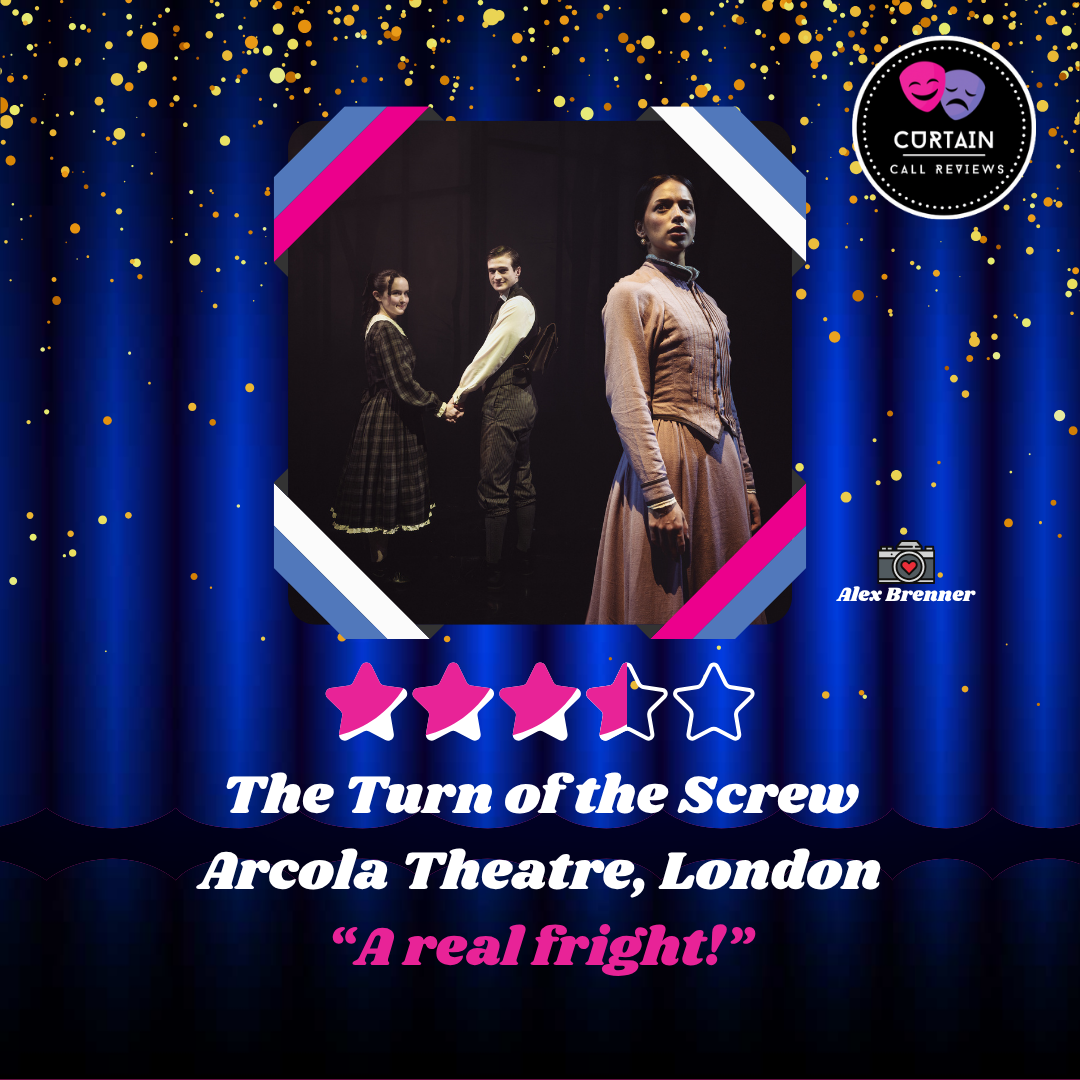
The Turn of the Screw
Horror in theatre is a fascinating genre. How unsettled can an audience really be when you have the added challenge of making all the effects, emotions and impact live? No fancy camera tricks here. In the past few years, there has been a gear shift in how we explore the genre across the theatre scene, with big franchises such as Paranormal Activity wanting to get in on the action alongside smaller fringe shows exploring what makes us go bump in the night.
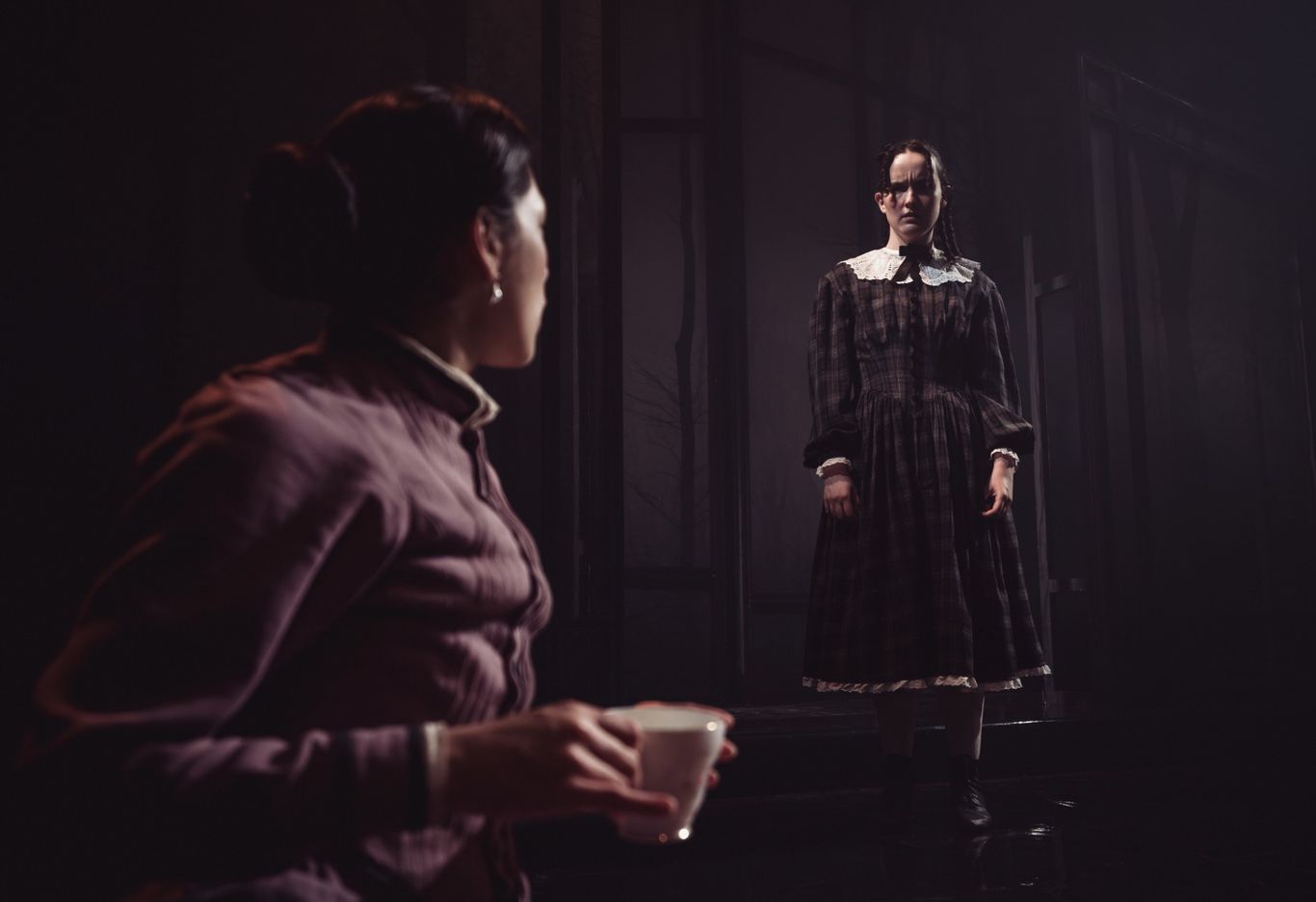
But this is nothing new: we have always been fascinated by what we cannot explain. Do we have to see to believe? Is memory really all that fickle? The Turn of the Screw is an 1898 gothic horror novella by Henry James, on which the show is based. Newly adapted by acclaimed playwright Morgan Lloyd Malcolm (Emilia, The Wasp) and directed by Nicky Allpress (The Shape of Things, The Walworth Farce), The Turn of the Screw follows the story of a young governess (Amy Tara) who is offered the position of a lifetime: to raise two children at Bly Manor for their charming but aloof uncle (Jim Fish). But all is not as it seems. A darker plot is at play. What happened to the governess before? Why are the children suddenly acting so strangely?
This is a powerhouse of a story, with impressive sound and lighting design throughout from Oliver McNally (lighting) and Hattie North (sound). When walking in, the audience was greeted by an atmosphere of flickering lights and hushed children’s lullabies, while the set was made up of panels with the outlines of trees and the imposing Bly Manor, with set design by Matthew Cassar. Yep. It’s a horror after all. While I think some of the sound levels were a bit too high at points, I also think I am a scaredy-cat, and there were some genuine jump scares in this piece. Although, perhaps due to sightlines, some moments did not land because of the screens in the set design, in others they were used brilliantly — especially when characters slept and hands reached out from behind to grab them. Equally, some lighting moments were really beautiful. With our governess fighting for her life in the lake, the lighting on her, combined with Allpress’s impressive direction, made for a fantastic image to end Act One.
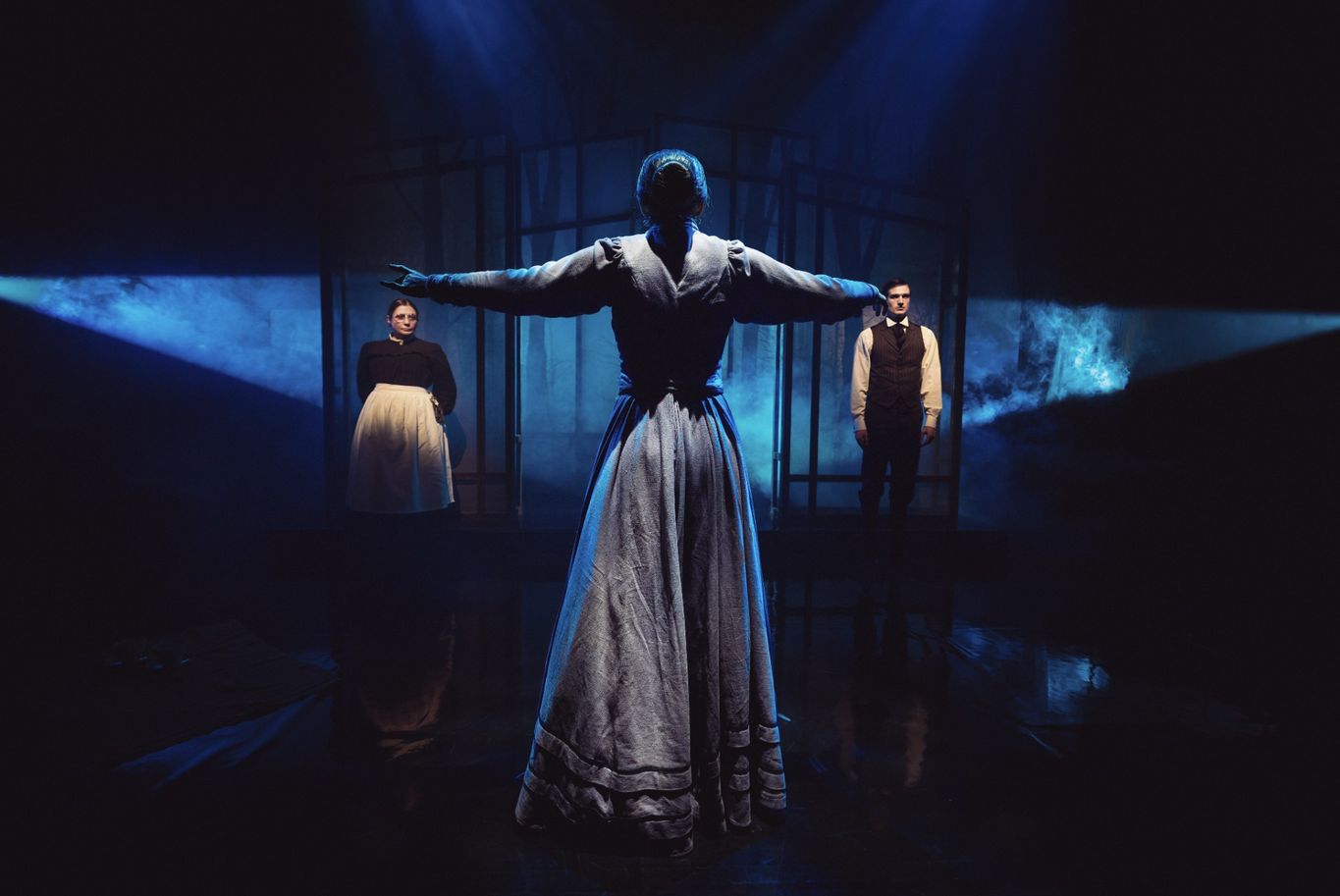
Tara led the cast in a brilliant, powerful performance. Her governess is naïve and sweet, yet by the end changed by the events. Even as audience members, we felt her frustration that no one was listening to her, or even hearing her out. Both the direction and the writing lean into the gothic stereotypes of women and the idea of hysteria. It’s an important moment to reflect: does this still happen today? Have we really changed all that much?
In a similar way to The Woman in Black, we flash back and forth to create the narrative of what seems to be an interrogation between our main character and an unnamed man (also played by Jim Fish), who did an impressive job in both roles throughout. This back and forth, while needed to connect the plot, at times felt slightly circular and slowed the pace. The choice to have the actors playing the child characters, Flora (Kathleen McAuley Irvine) and Miles (Toby Beynon), also play the ghosts in the production was an exciting twist. At times, I think, due to sightlines and perhaps moments feeling too subtle, the effect was lost on me, but both actors were committed and powerful in their performances — especially McAuley Irvine, who had the challenge of playing a literal child. She was sweet and equally unnerving in the way only children can be. Beynon was a fantastic counterpart and also had a chilling edge. Why was he kicked out of school? These are the questions that kept the audience engaged even when the plot felt slightly muddy. Katy Slater as Mrs Grose was a delight on stage and in some ways was our only connection to the outside world. She gave a committed and contained performance and at times offered little yet well-needed humour. I looked forward to each of her appearances: what would we learn this time?
All together, this was a great cast, with an additional appearance by Janita Mikkola as a mysterious cloaked presence.
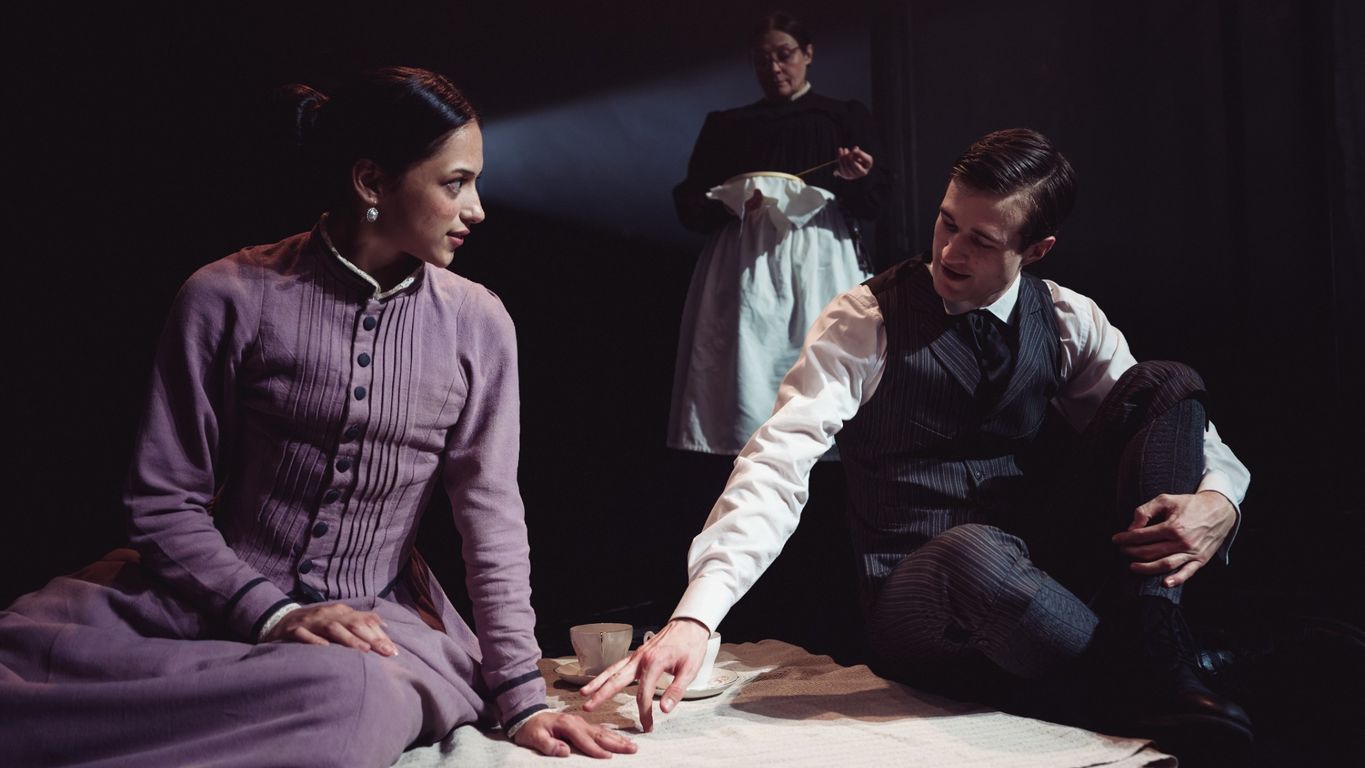
Allpress’s direction was ambitious and inventive. People appeared where they should not have been, and the space was used to keep us second-guessing and to create a sense of general discomfort. That, when you’re sitting next to a stranger in a dark theatre, is a great way to make new friends in the interval. While some moments felt too long or unclear, the story is strong and you are guaranteed a great night out.
Horror in theatre is like a coiled spring. You must build to a release, and The Turn of the Screw was a great example of how all the elements can work together to create a show that will leave the audience questioning.
This show was reviewed on the 18th September 2026 at the Arcola Theatre, London where it runs until the 10th October 2026. Tickets available here: The Turn of the Screw - Arcola Theatre
Review written by Mary Condon O'Connor
AD/Gifted
Photo credit : Alex Brenner
Check out other reviews from Curtain Call Reviews and get in touch to have our reviewers head to your show