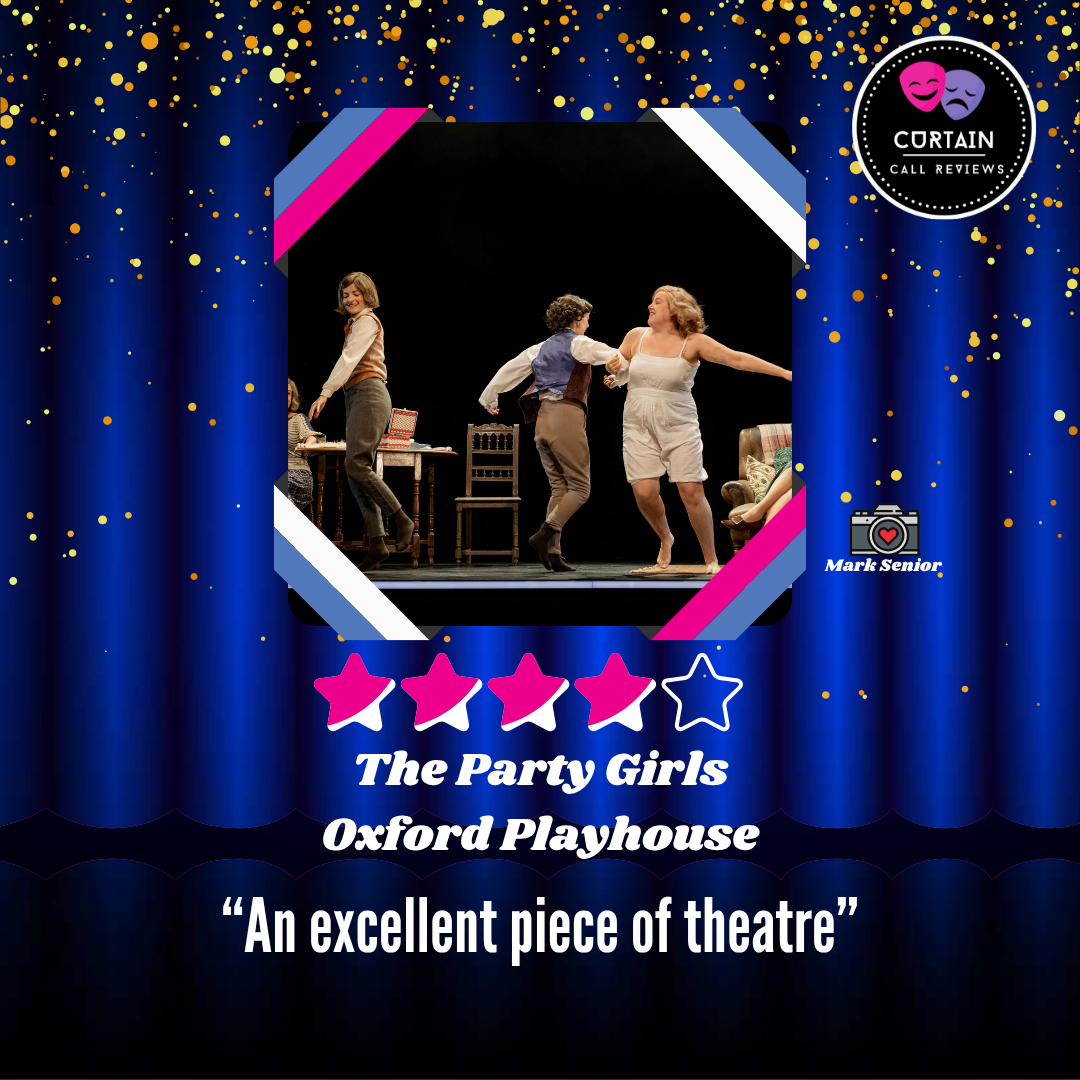
The Party Girls
This is a play that has been beautifully written by Amy Rosenthal. She has crafted the play, crossing backwards and forwards through the 1930’s, 1940’s and up to 1969, with some believable dialogue, about this infamous group of sisters. The six actors have been allowed to develop their characters fully. They could have been caricatures, but the writing shows much more depth to them.
The play explores the socialite Mitford sisters. The word ‘party’ in the title has a double meaning, as several of the sisters came to have close connections with the Fascist movement and in one case, with the communist party. This was a family used to extreme views, with both parents (who are not seen on stage at all) also known to have extreme views, not just politically, but also about how women should be brought up. None of the sisters attended school.
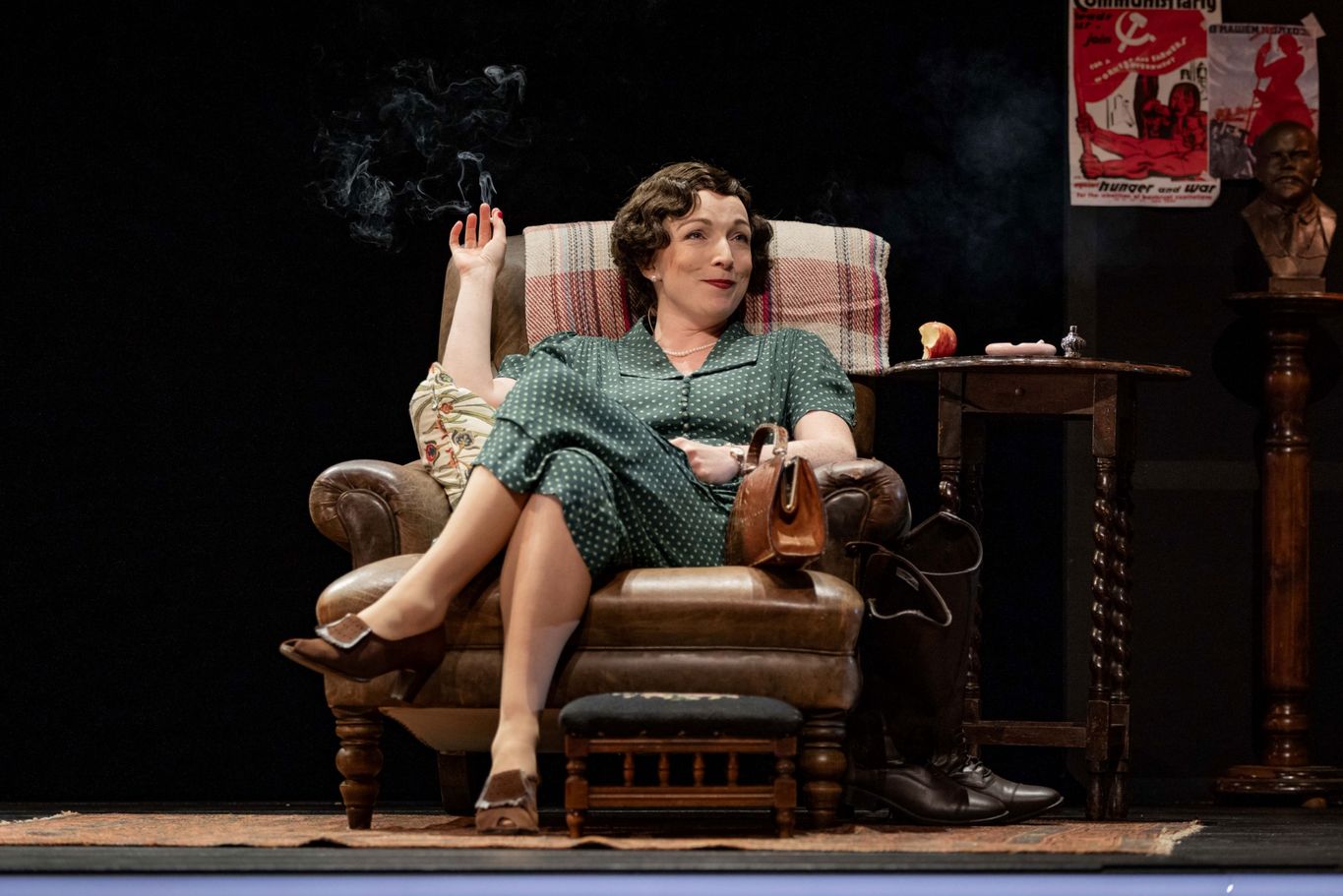
Diana Mitford was supposedly an enchanting woman, portrayed by Elisabeth Dermot Walsh, as vivacious, intelligent, fun and kind. Yet her politics were abhorrent: she married the British fascist leader Oswald Mosley, as well as apparently being a friend of Hitler’s.
Unity Mitford, in the hands of Ell Potter, was besotted with Hitler. She is arguably the most chillingly indoctrinated of the sisters. One of the most chilling scenes was watching Unity pin pictures of Hitler around the drawing room of the family home, and her suicide attempt in Munich at the outset of WW2 was also chillingly well directed.
With her and Diana, it is so disturbing to see how those at the heart of the establishment were influenced by the nazi and fascist movement, and to wonder how close we came to a very different outcome. Churchill himself calls the family home whilst the sisters are talking about their love or fascination for Hitler!
Jessica ‘Decca’ Mitford, the Communist and Civil Rights activist, broke away from the rest of the family and was disgusted at their attitudes. She moved to America. Emma Noakes is particularly believable in this role.
Debo Mitford, the youngest (Flora Spencer-Longhurst), later became Duchess of Devonshire and is best known for restoring Chatsworth House from disrepair to its National Trust glory.
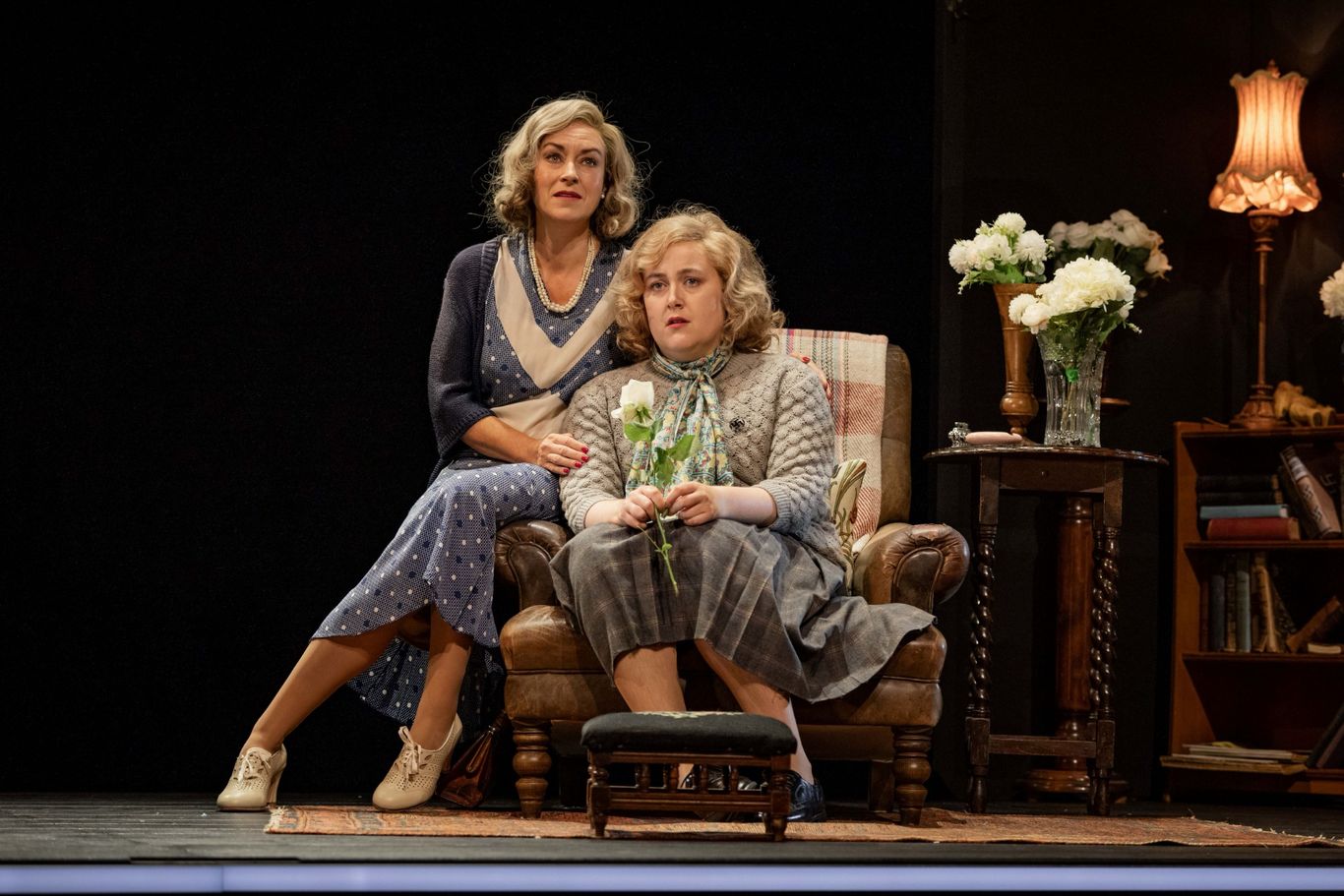
The eldest sister, Nancy, is remembered for her novels, including ‘Love in a Cold Climate’. Kirsty Besterman plays this pivotal role with clipped tones, and it is easy to see why all the sisters look up to Nancy.
All six actors play their parts so convincingly.
Rosenthal has cleverly included one male character, right from the start of the play, for contrast. Bob Treuhaft, is Jessica’s second husband and a key figure in her transformation from aristocratic rebel to American human rights activist. As Bob, Joe Cohen is able to give the play plenty of energy, but also plenty of light to the huge amounts of shade.
This production has an excellent ensemble cast and benefits from the tight direction of Richard Beecham. The changes in the years are handled well, assisted by the production design, especially costumes and wigs, so the audience can easily follow the action. Credit should go to designer Simon Kenny, and wig and costume supervisors Kelly Cox, Laura Rushton and Melanie Brooks, their work being extremely well implemented.
The Party Girls is an excellent piece of theatre. For me, I knew very little about the Mitford sisters, but found myself researching them after seeing this. What an extraordinary, fascinating, but ghastly family!
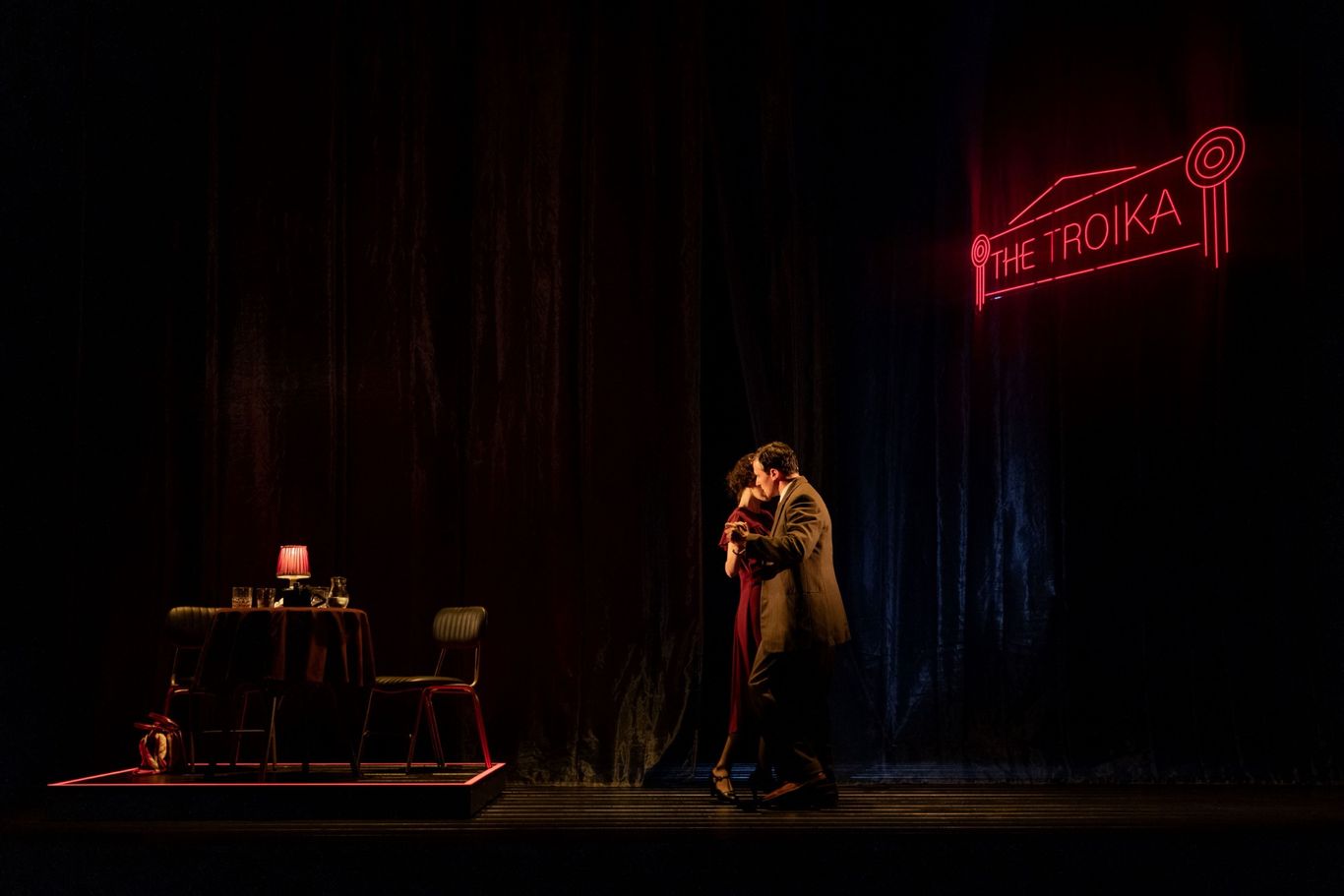
This is a highly recommended production. Catch it at Oxford whilst you can, or if not on tour.
This show was reviewed on the 30th September 2025 at the Oxford Playhouse where it runs until the 4th October 2025. Tickets available here: The Party Girls | Oxford Playhouse
Review written by Ruth Hawkins
AD/Gifted
Photo credit: Mark Senior
Check out other reviews from Curtain Call Reviews and get in touch to have our reviewers head to your show.