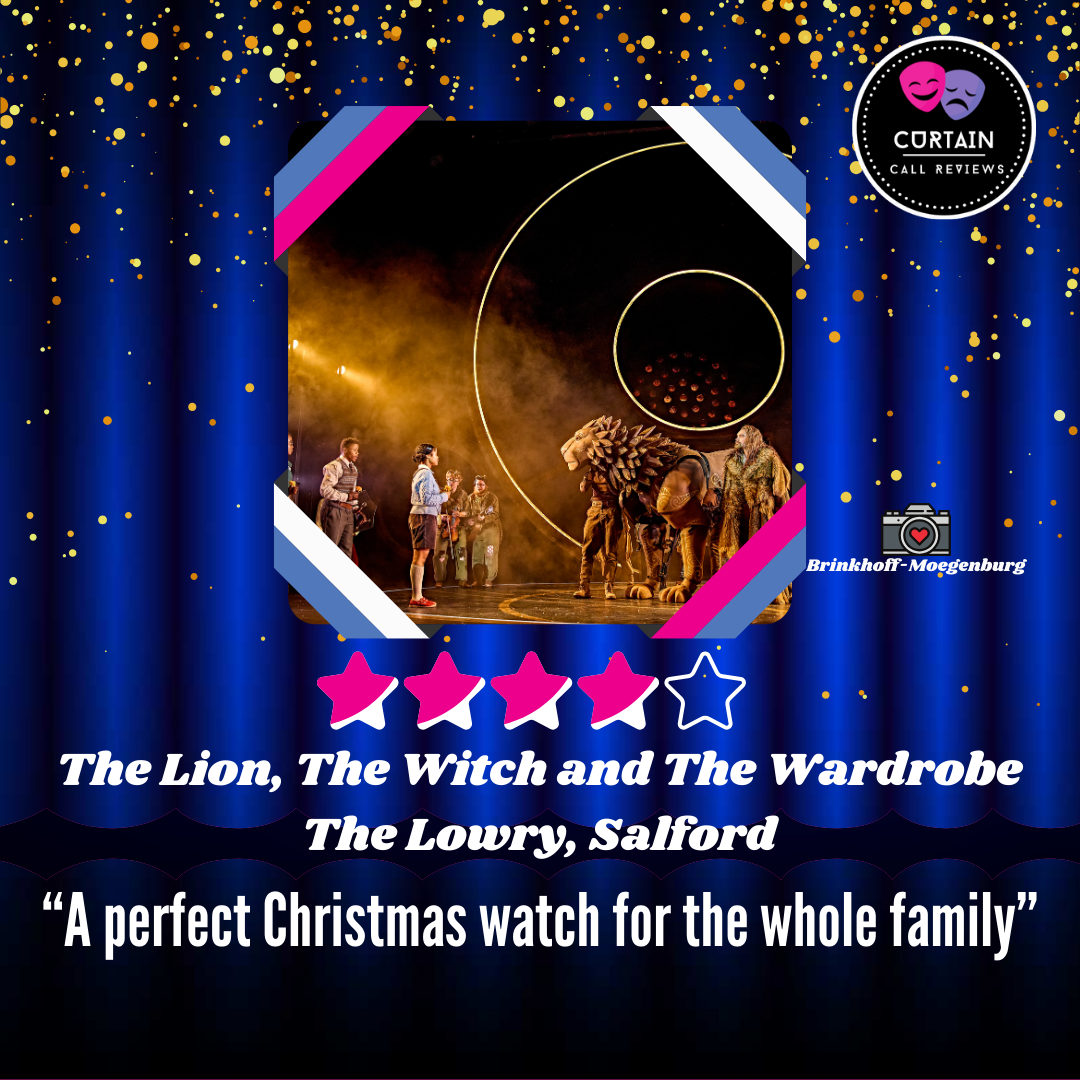
The Lion, The Witch and The Wardrobe
The classic children’s tale, The Lion, the Witch and the Wardrobe, by C.S. Lewis celebrates its 75th anniversary this year. Originally written in 1950, the first of seven novels appeared on stage as a theatrical performance at the Westminster Theatre in 1984. Following this, The Lion, The Witch and The Wardrobe made its venture into the world of musical theatre in 1986. Having been produced in a variety of formats including radio, film and television, this production strategically and creatively incorporates the art of musical theatre into a well-loved story.
The renowned story follows the Pevensie children as they adapt to life in rural Scotland following evacuation from London and the threats of World War Two. The four discover an old, enchanted wardrobe and the world of Narnia that lies behind it, along with both the good and evil that this fantasy land entails.
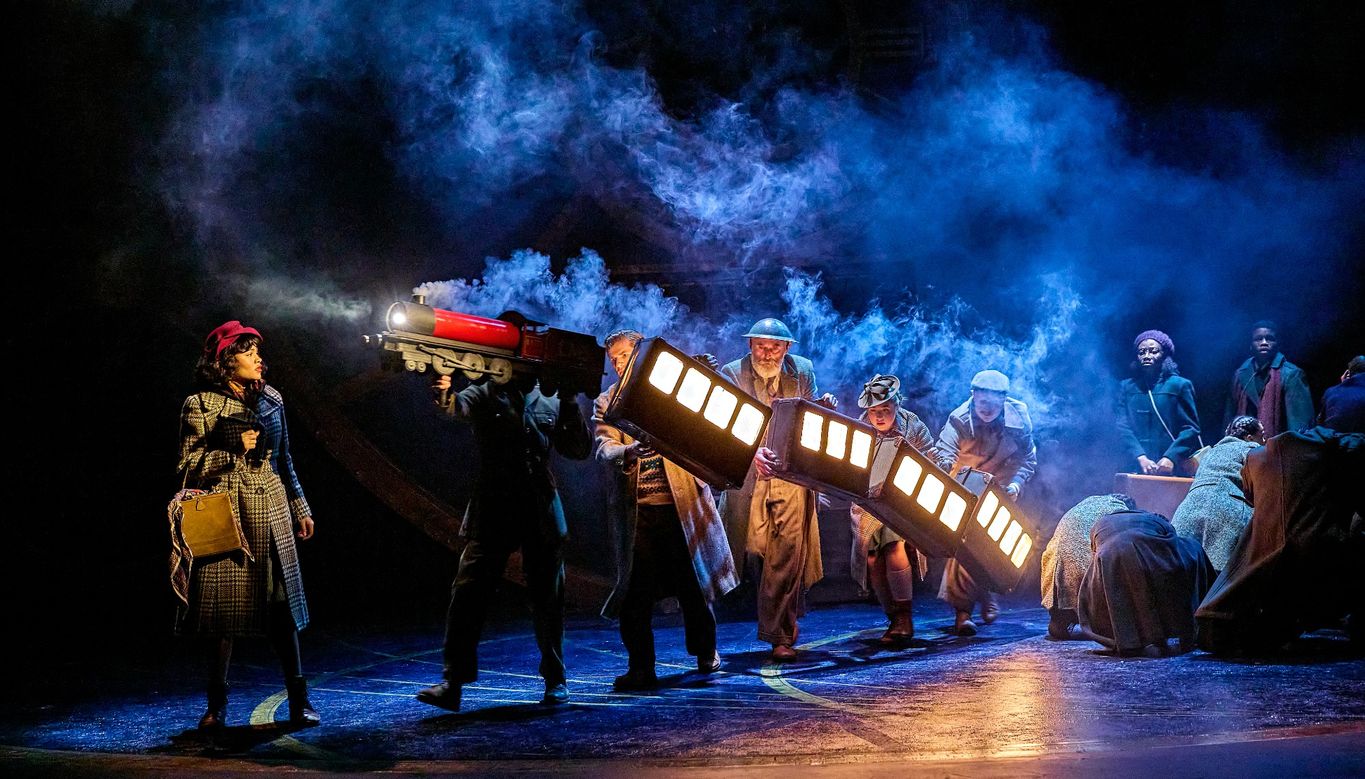
The simplistic set design (by Tom Paris) supports ease of transition between the two worlds. Strategic inlets allow subtle movement on stage and aid transition from one world to the next. Minimalistic yet effective scene changes are facilitated creatively, with use of drapes, lighting and sound.
Music plays a crucial role in exploring the key theme of time throughout the performance. Repetitive motifs emulate the monotonous ticking of the clock and the differing passage of time between Scotland and Narnia. This is further supported by tight, well-rehearsed choreography.
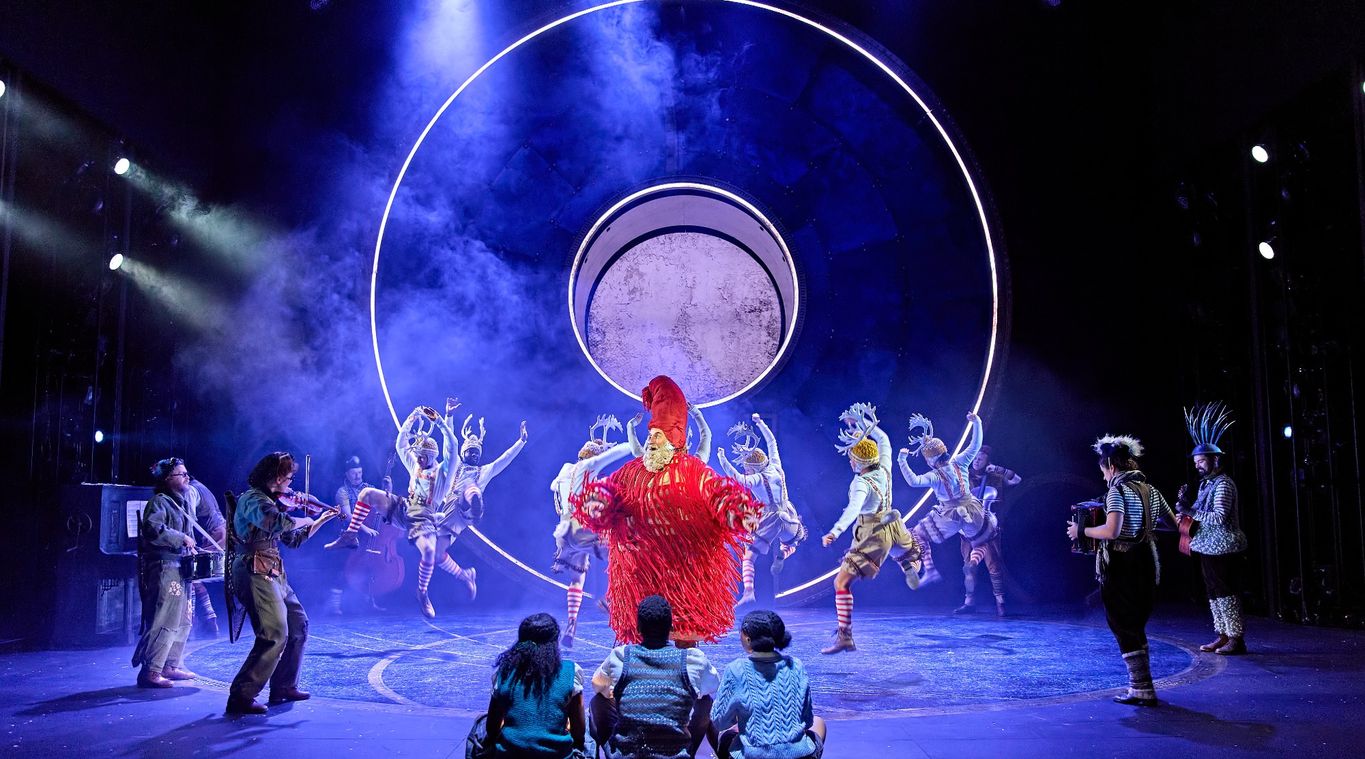
The adaptation of the traditional script into a musical spectacle relies on the incorporation and contrast of uplifting and thought-provoking songs. Mr Tumnus’ conflicting emotion on discovering human life, contrasted with the joy of Santa’s return to Narnia, takes the audience on a new journey within the familiar story. Alongside their vocal talent, many of the cast demonstrate their musical skills with onstage, live musical accompaniment: whether a violin playing beaver or a piano playing squirrel.
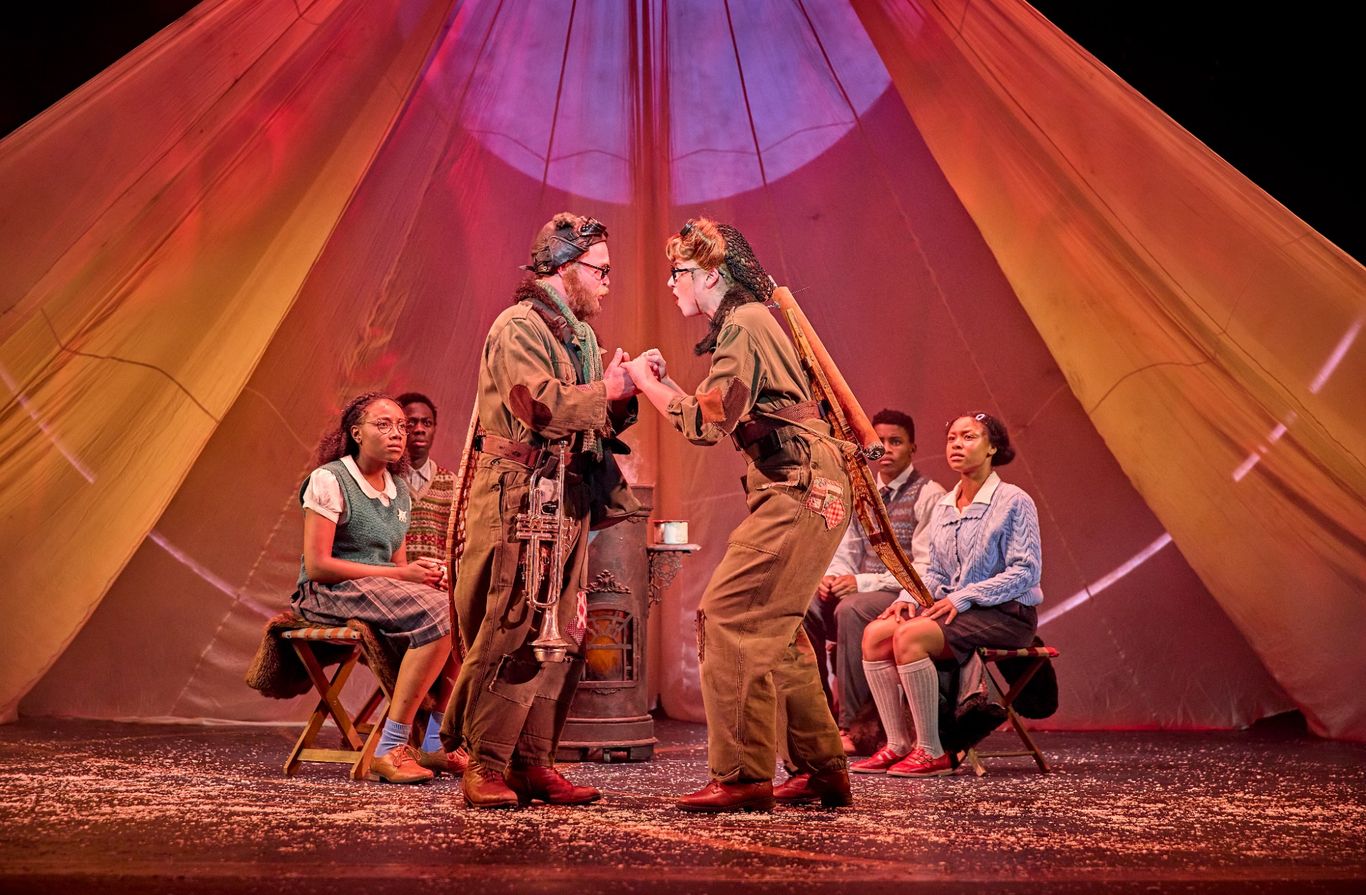
Costume design embodies the era with dark tones reciprocating the gloom and dismay of the war. Although included within scenes set in Narnia, the costumes of native Narnians explore colour – emphasising their hope for change, and their longing for joy and comfort triumphing over war and evil.
Crucial to this tale, Aslan must highlight a kingly figure and symbol of hope and authority. The creative design and stage direction (Max Humphries and Toby Olié) capture this. Puppetry is the central feature of Aslan’s portrayal, with one of the movies world’s most well-known fictional lions coming to life on stage. Yet the dual portrayal, with a constant presence of a human Aslan, creatively explores the imagination of the audience and the collaboration of expressive mediums. Credit must go to the talented puppeteers (Andrew Davison, Molly Francis and Rhodri Watkins) as well as the human portrayal (Stanton Wright) who capture the purity and spirit of Narnia through Aslan.
This well known and loved classic is a perfect Christmas watch for the whole family.
This show was reviewed on the 4th December at The Lowry, Salford where it runs until the 11th January 2026. Tickets available here: The Lion The Witch and The Wardrobe | What's On | Lowry
Review written by Gabrielle & Rachael Groves
AD/Gifted
Photo credit: Brinkhoff-Moegenburg
Check out other reviews from Curtain Call Reviews and get in touch to have our reviewers head to your show.